The Stick Children
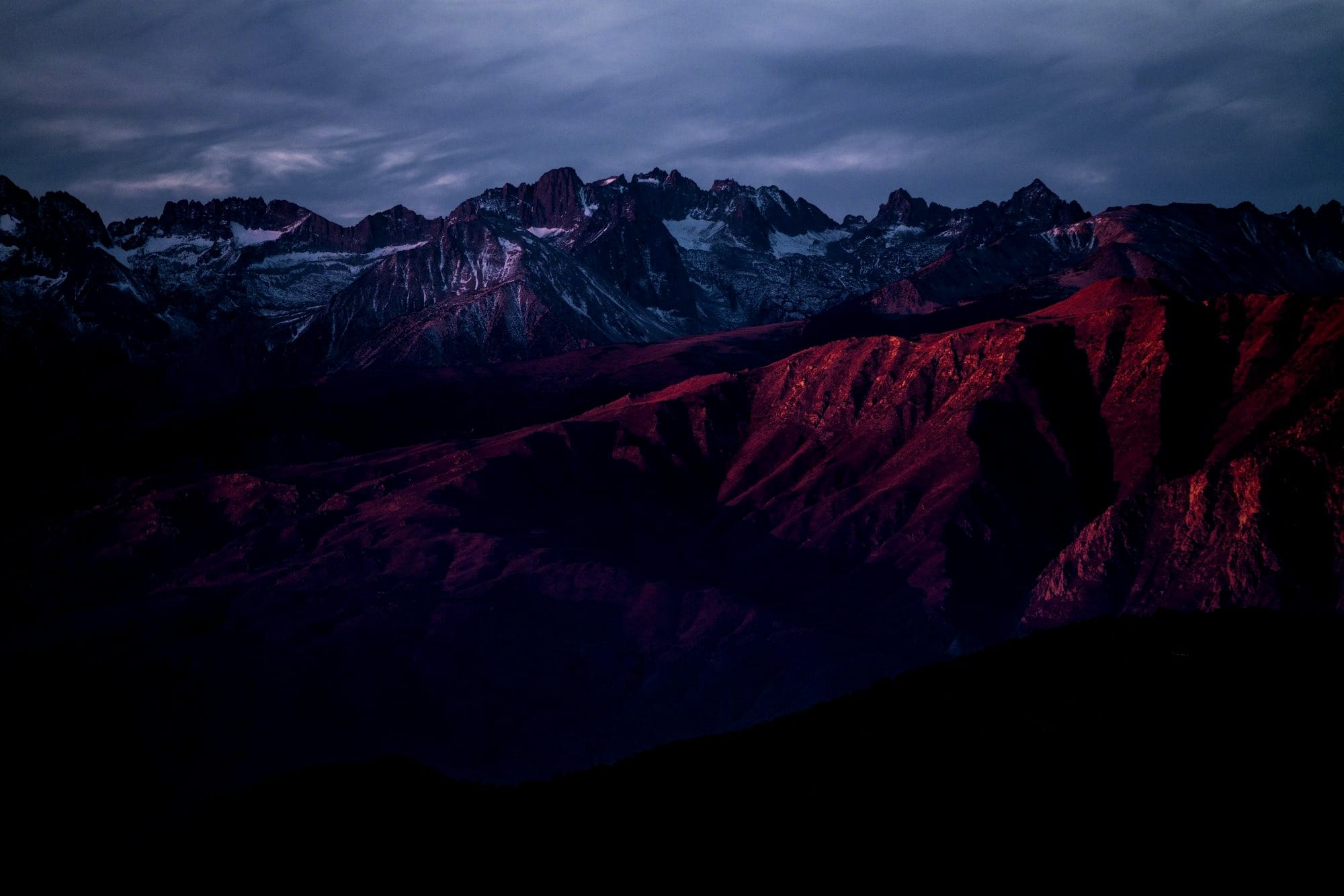
Written By: Cecilia Kennedy Streaks of orange and gold color the mountain tops in the distance, shadows filling in where the sun won’t reach. The air feels dry, and the public pool glistens in arctic blue.
Written By: Cecilia Kennedy Streaks of orange and gold color the mountain tops in the distance, shadows filling in where the sun won’t reach. The air feels dry, and the public pool glistens in arctic blue.
Written By: Cecilia Kennedy
Streaks of orange and gold color the mountain tops in the distance, shadows filling in where the sun won’t reach. The air feels dry, and the public pool glistens in arctic blue. Charley’s children are splashing, flipping each other off floats, nearly threatening to drown each other. The lifeguard has made them sit out at least once today. Something happened when they turned twelve and thirteen—something worse than the terrible twos times ten, at least. In the distance, a humming sound hovers in the air. It’s almost always there, churning mechanically, whirring, dissolving into static, and if Charley thinks long enough about it, she believes she hears it at night, when the house is quiet—like it’s following her.
“Lydia! Clark! It’s time to go home!” Charley shouts.
Lydia flips her wet bangs, stares her mother down and crosses her arms. Then, she dives back under the water. Clark swims in the opposite direction. If they were younger, Charley would jump in after them, pull them out of the water, and force them to leave, but they’re too big now. She can’t wrap her arms around them anymore.
Lydia pops her head out of the water because she can’t hold her breath any longer.
“Okay, Mom,” she says. “Here’s the deal. Clark and I have decided we’ll go home, only if you get off your butt for once and give us ice cream for dinner.”
“I don’t have any ice cream,” Charley says, trying to remain calm.
Clark swims back over to his sister, to team up and conquer.
“You just dig into that little purse of yours, Mom, and pull out your money—and go buy some. We’ll wait here,” he says.
Charley, incensed, tells him—and Lydia—to get out now. She’s the one with the car keys and driver’s license—if they ever want to see home again. Lydia and Clark laugh and challenge each other to races while Charley sits helplessly by the side of the pool, longing for them to decide they’ll get out. She swears they can’t be hers. What happened to her sweet babies? The ones she cuddled on the couch and watched cartoons with. The ones who practiced violin and gave her sticky Popsicle hugs—and chased fireflies in the yard.
After two more hours, they suddenly get out of the pool, dry off, and sulk in the car all the way home.
**
When Arthur calls to check in during his trip, Charley can hardly hear him. A blaring static sound takes over. She wants to tell him how the children are behaving—how he needs to come home and how much she misses him and wishes he didn’t have to travel so much. But the horrid, mechanical sounds fill in all the spaces where she’d listen or speak. Out of the corner of her eye, she catches the shapes of her children in the hallway—and hears them giggling. She’s convinced they’re conspiring against her.
**
“What did Dad have to say on the phone last night?” Clark asks.
Clark’s sitting next to Lydia on the opposite side of the table, the two of them staring Charley down over a bowl full of candy, which they insisted she serve them for breakfast. And she gave in. Again.
“I don’t know,” Charley says. “The connection was bad or something. We had to hang up.”
And when she looks up from her plate of eggs, she sees Lydia and Clark stifling a laugh.
“Too bad,” Lydia says.
“Yeah, too bad,” Clark says.
A car pulls up in the driveway just then. Charley can see the driver: an older teen she doesn’t recognize.
“Our ride’s here,” Lydia says.
“Who is it? Where are you going?”
“We have plans,” Lydia says. “They don’t include you.”
“Who is this person you’re driving off with? Where are you going?”
“Ugh!” Clark screams.
And the two of them take off, slamming the door behind them, leaving Charley all alone with the humming machine sound and high-pitched whirs slicing through her eardrums. Through the windows, she sees the mountains and swears they’re leaning, ready to cave in around her, smother her and crush her to death. She shakes her head, tries to force the humming away as she grabs her keys and follows the car down curvy roads and freeways—all the way over to the last mall in town, where she hides in stores and wishes to catch glimpses of her children, still tiny, still fragile, and now in the care of another teen who looks a little too sure of himself—who doesn’t appear to care about them at all.
Then, Lydia turns her head and stares Charley down. She’s been found out. But instead of getting mad, Lydia smiles, pokes Clark’s shoulder, who also turns to look at Charley—and smile, with a sinister grin. It’s like they wanted her to follow them, to show her what they’ve been up to—to upset her.
She pulls her purse strap tighter across her shoulder and runs toward them, the whirring and spinning sound of machines higher pitched now. She follows them to a dress shop, where they snatch earrings and small trinkets—and stuff them in their pockets. Then, she follows them along a wall of mirrors—and her heart stops when Lydia and Clark look over their shoulders and point at her—and then to the reflection in the mirror. And what she sees in that reflection makes her draw in a sharp breath. The reflections of her children, in the mirror, are not what she was expecting to see at all. The reflections are crude, grotesque figures, made of sticks and wood, with dark saucers for eyes. They have long, scraggly teeth and sharp spines that protrude from their backs. Her own children laugh, while the mirror children scream.
The mirror children suddenly break form and face her, while the children she thought she knew, continue on. The hideous stick forms, with their mouths open wide, stare her down with their soulless saucer eyes, and the machine sounds grow deafeningly loud.
Charley covers her ears as she runs to her car, gripping the steering wheel as she drives. But when she gets to the door, she sees that her children have beaten her home. The door is locked, and her keys no longer work. Lydia and Clark watch her through the window, which casts a terrible reflection of their stick-children counterparts, with mouths open, spikes gleaming.
Lydia cracks the window to have the last word: “We have no more need for you, Mom. Leave now.”
Charley watches the stick children separate themselves from the reflection in the glass and slide into her children’s bodies. They slice through the flesh and fill out the spaces in between, while her heart drops. The separation is final. They take over her home, smashing the furniture, burning the family photos—as a horrible buzzing whirs in her ears.
There’s nothing left to do but stagger back to the car with a heavy heart, amazed to discover she still loves them and would take them back if she could—spikes and all.
Cecilia Kennedy (she/her) taught Spanish and English composition and literature in Ohio for 20 years before moving to Washington state in 2016. She has two short-story collections: Twenty-Four-Hour Shift: Dark Tales from on and off the Clock (DarkWinter Press) and The Places We Haunt (Baxter House Editions).
Your link has expired. Please request a new one.
Your link has expired. Please request a new one.
Your link has expired. Please request a new one.
Great! You've successfully signed up.
Great! You've successfully signed up.
Welcome back! You've successfully signed in.
Success! You now have access to additional content.